

Plant-hunting in Sutherland
For a long time, Colin has been wanting to go and look for some rare species of wild flowers in the far north of Scotland. These only grow in a few areas of specific habitat, and some of them are notoriously difficult to find. Plenty of walking would be needed, so we were hoping that the weather might be kind to us. This was by no means guaranteed, because May’s record-breaking weeks of sunshine seem to have taken a big chunk out of our quota of summer weather.
Fully embracing the spirit of a botanical treasure hunt, we started by visiting some woods on the coast of Easter Ross, near Loch Fleet. Here, according to Colin, we might – if we were incredibly lucky – find twinflower and the even more elusive one-flowered wintergreen. We knew that twinflower might well have finished flowering, but it was worth a try.
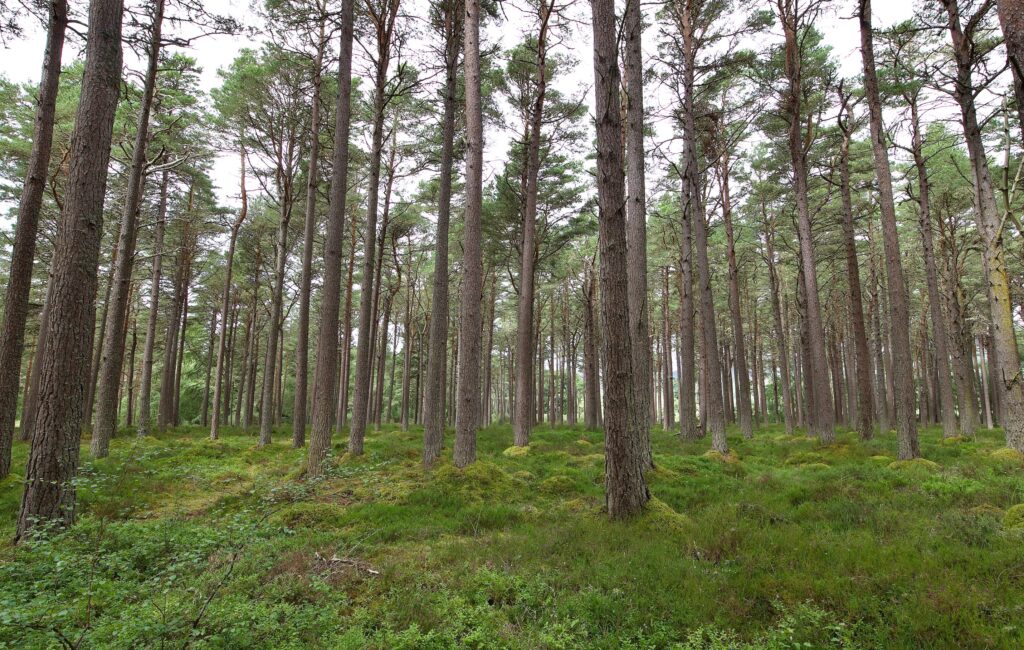
Knowing how tiny these little gems are, and looking at the extent of woodland shown on the map, I didn’t reckon much to our chances when we set out along the trail. But it’s always lovely to walk beneath mature Scots pines, with a carpet of pine needles, heather and blaeberry beneath your feet and any number of unseen small birds – siskins, perhaps, or goldcrests, or even crossbills – calling to each other with a high-pitched ‘seep’ from the branches high above.
Surprisingly, it was an entirely different species that caught Colin’s eye first. It’s possible that I stepped on creeping lady’s-tresses before I realised what it was, but luckily it was abundant and Colin was excited to see it in flower. This pretty little orchid prefers old pine forest, flowering from mid July to late August. It’s the only orchid in Scotland with a creeping habit, and unlike most orchids its rosettes of green leaves persist throughout the winter.
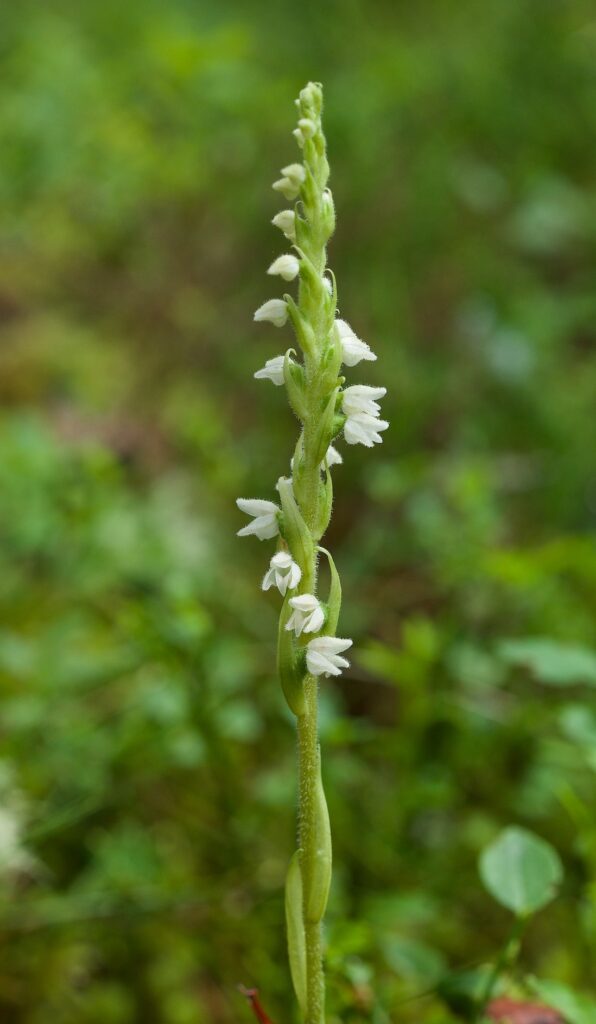
Creeping lady’s-tresses (Goodyera repens)
I doubt we’d ever have seen twinflower without the helpful guidance of a couple we met walking along the path. Even then, we all spent a good while peering at the ground. But when we saw it, our delight was genuine. Such delicate shell-pink bells, suspended on the arms of a curiously divided stem! You can almost imagine woodland faerie-folk ringing them at night, calling guests to their midsummer ball.
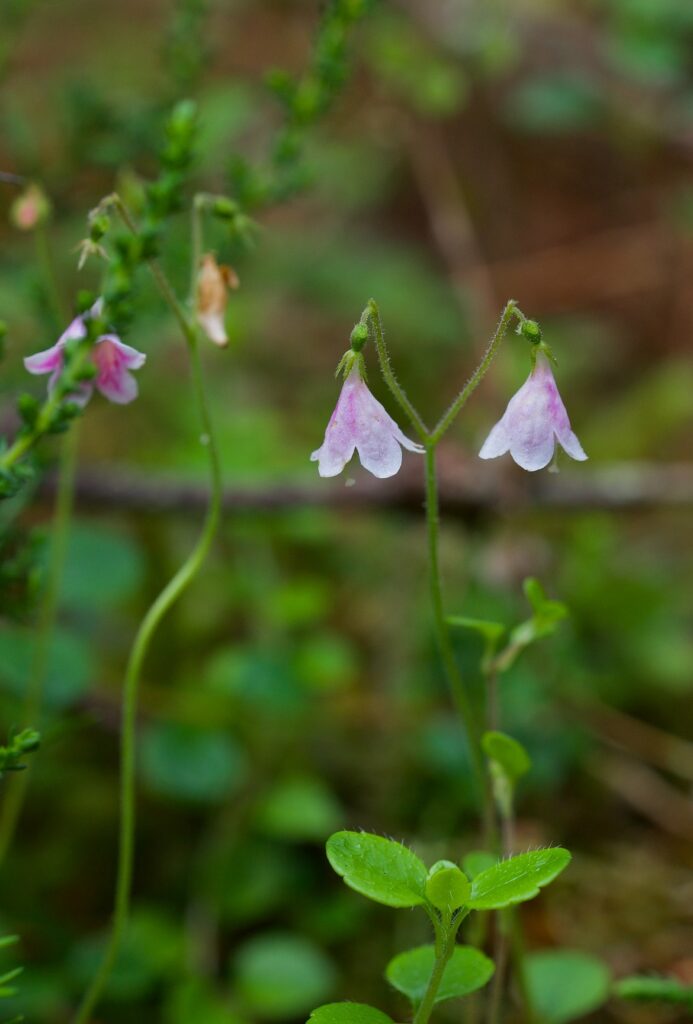
Twinflower (Linnaea borealis)
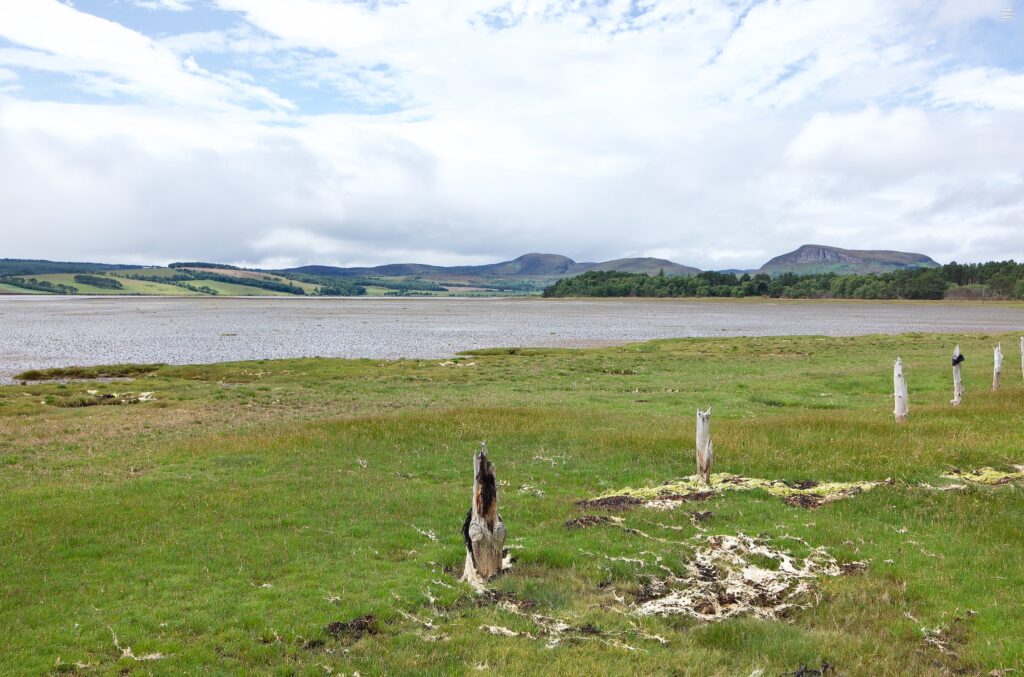
We came out onto the shore of Loch Fleet, a big sea loch that attracts good numbers of wildfowl and waders, and followed the path around for a while before heading back into the wood. I sat on a log to have a drink while Colin roamed around. Incredibly, within a few minutes he had located a little patch of one-flowered wintergreen.
To appreciate the beauty of one-flowered wintergreen you have to practically lie on the ground, and even then it’s hard to get a good view of this sweet little flower because it points downwards. Its other common names are ‘St Olaf’s candlestick’ (apparently from Norway) and ‘frog’s reading lamp’, and I find it hard to say which of these I like best. Admittedly, it’s the perfect size for a frog to read his bedtime story by, and I almost want to go back at night to see it switched on.
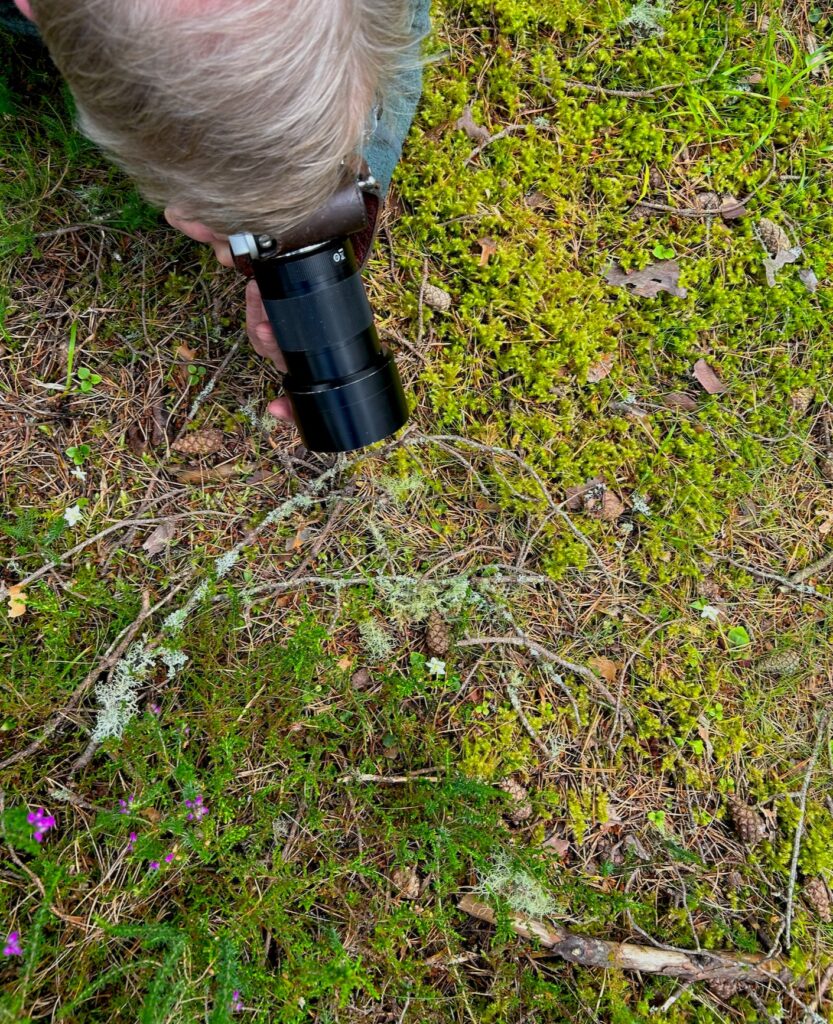
Above and below: The ridiculously tiny one-flowered wintergreen (Moneses uniflora). It’s next to a pine cone, if that helps.
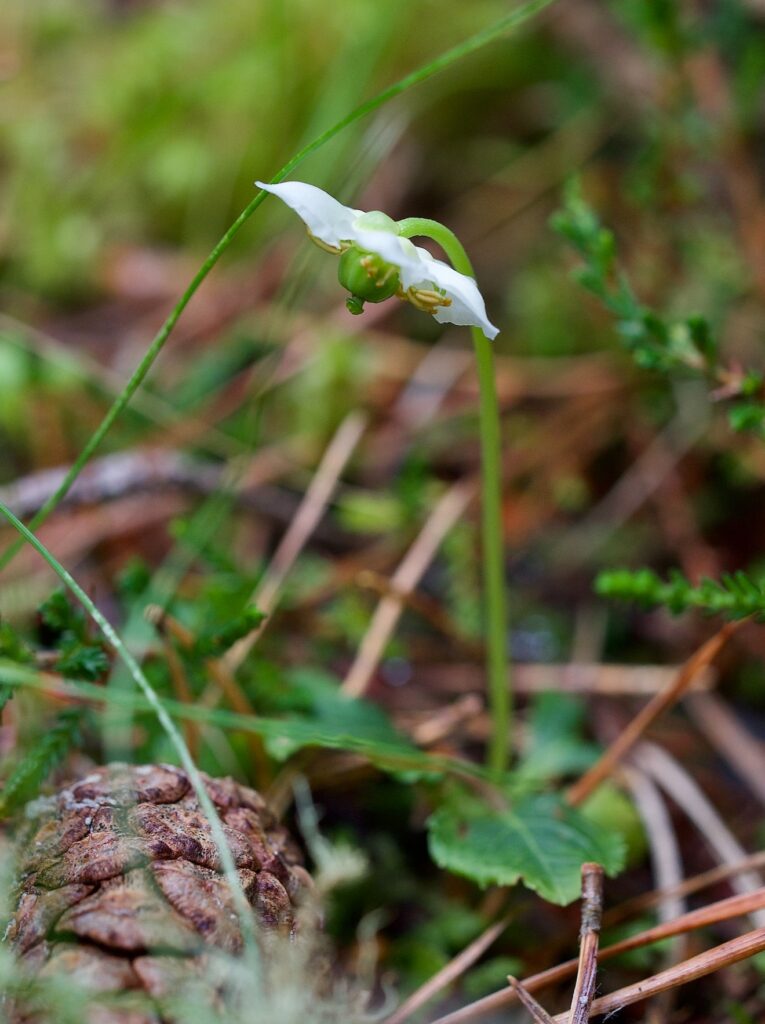
There’s an interesting connection here with the Scottish explorer and botanist Isobel Wylie Hutchison, whose travels I’ve become familiar with in my work at the Royal Scottish Geographical Society. In 1936, Isobel was overjoyed to come across one-flowered wintergreen, which she described as ‘the most exquisite little flower in all the world.’ Its Latin name at that time was Pyrola uniflora, and she found it growing beneath pine trees on Kodiak island in Alaska. Isobel was so enchanted that she wrote a poem for it:
Song for Pyrola uniflora
I came upon her lonely in the wood,
With downbent head she gazed upon the moss
Green-carpeting the forest where she stood
Under the pine tree’s boss.Waxen her cheek as some pale-lidded shell
Returning tides have stranded unaware
Her breath as faintly fragrant as the spell
A passing angel left upon the air.Strange destiny! Fair treasure-trove unsought,
Undreamed-of at the breaking of the day,
How rich this hour that has so quietly brought
Such masterpiece my way.
Isobel Wylie Hutchison, from Stepping Stones from Alaska to Asia (1937)
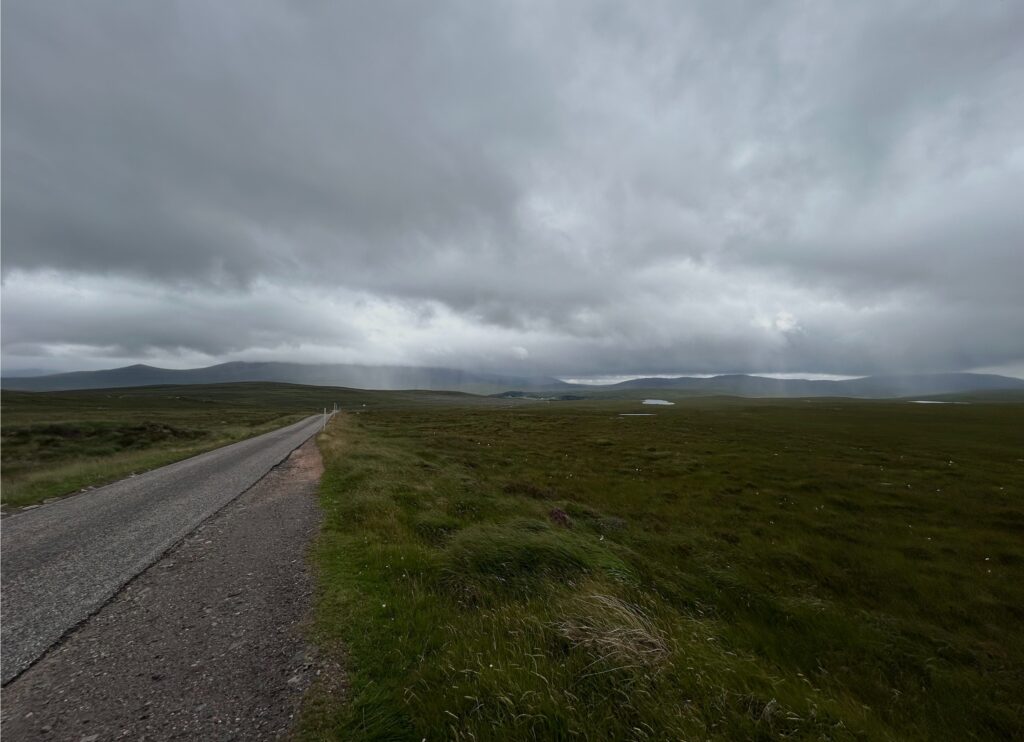
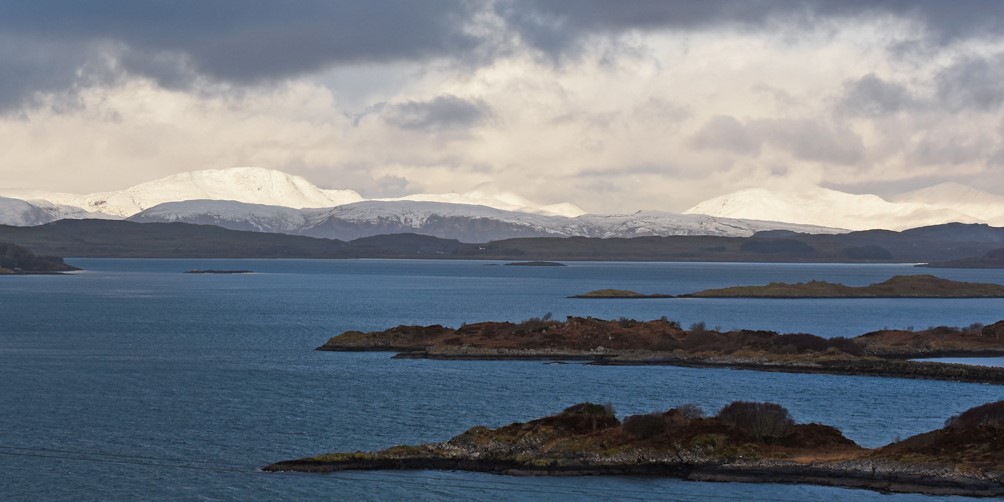
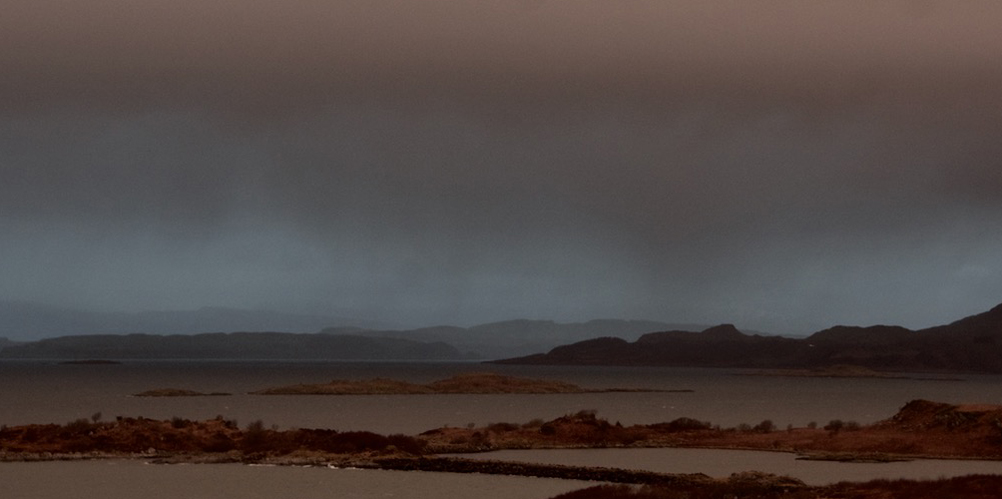
After a welcome coffee it was time to head northwest, across one of the wildest and most impressive landscapes I’ve ever seen in Scotland. The road from Lairg to Tongue runs through the flow country, a recently-designated World Heritage Site comprising a vast expanse of blanket bog that stretches right across Caithness and Sutherland. Here and there, a lochan mirrored the grey sky, and vaguely shaped hills lurked under a pall of cloud. As heavy rain set in, the general impression was one of magnificent gloom.
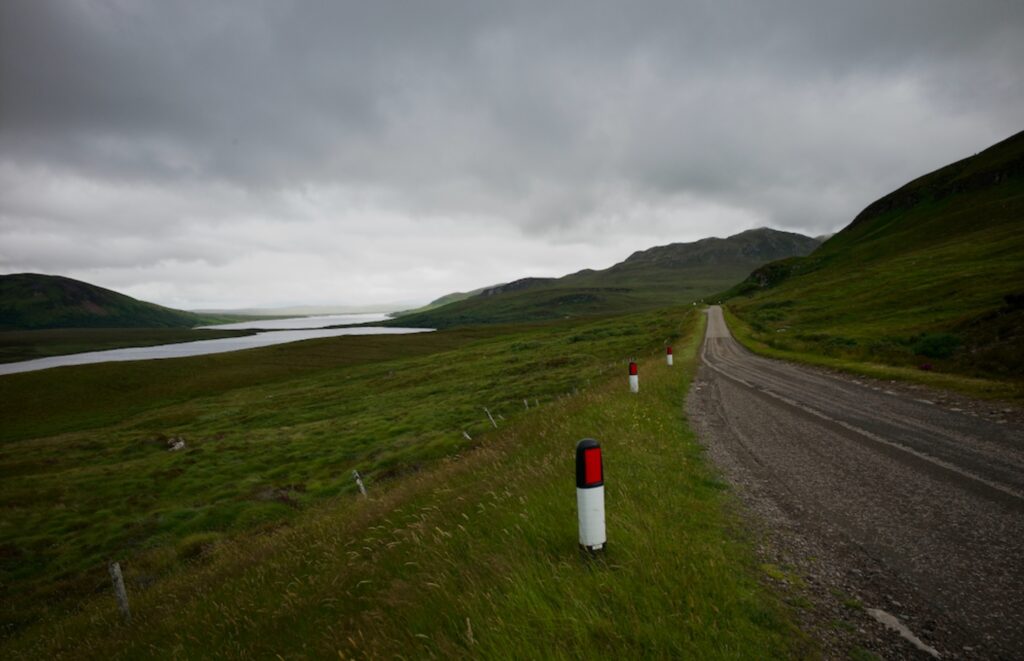
On the north coast, Colin’s wish-list included mountain avens (Dryas octopetala) and Scottish primrose (Primula scotica). While mountain avens is found in a few other places in Britain, as well as more widely in regions such as Scandinavia, the Rocky Mountains and north-east Asia, Primula scotica is endemic to Scotland and grows only in the far north, including Orkney.
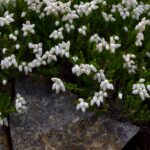
Not far from the main road that winds at great length around promontories and sea lochs, it was a surprise to see mountain avens flourishing in large mats on craggy limestone slopes. Colin first caught sight of one or two starry white flowers, likely the last of the season, and then noticed a wealth of fluffy seed-heads, a testament to a once-splendid show. Luckily the weather cleared and we didn’t have to clamber around in pouring rain, but we still had to be careful: the ground was firm underfoot one minute, and the next it was swallowing your feet into a bog.
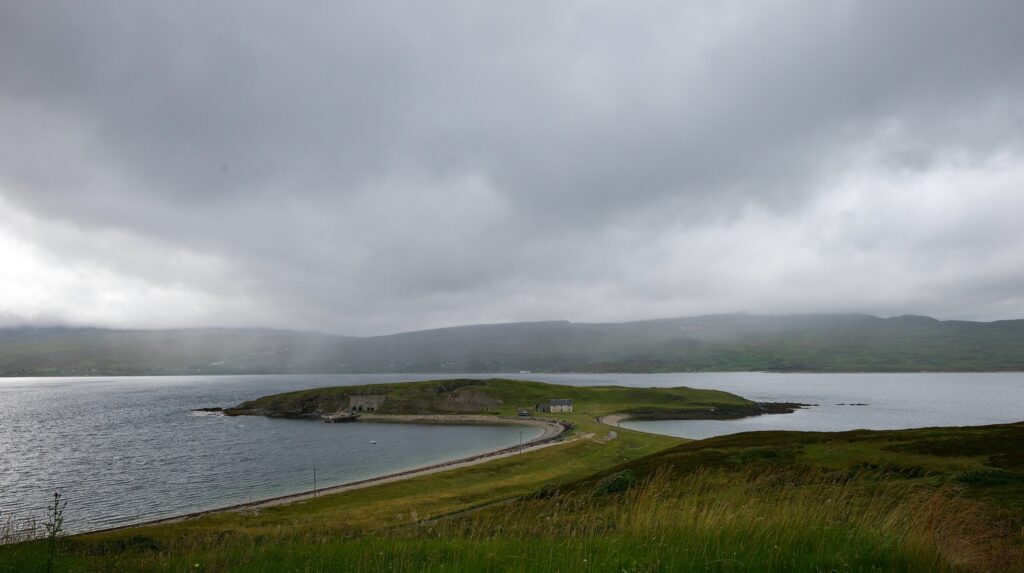
Ard Neackie on Loch Eriboll
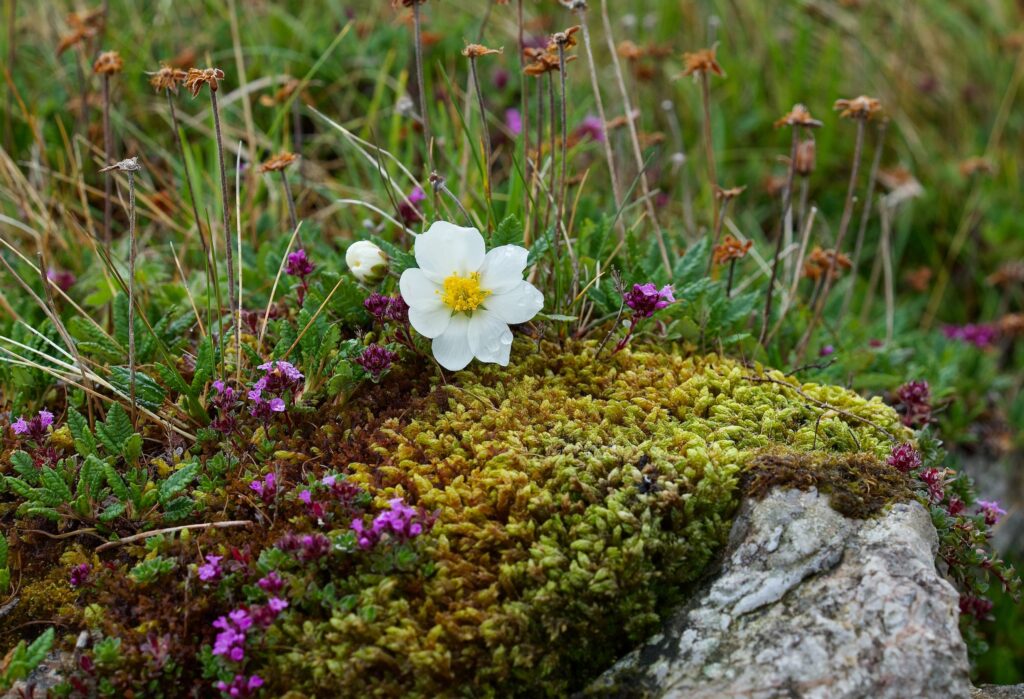
Mountain avens (Dryas octopetala) and its seed heads (below)
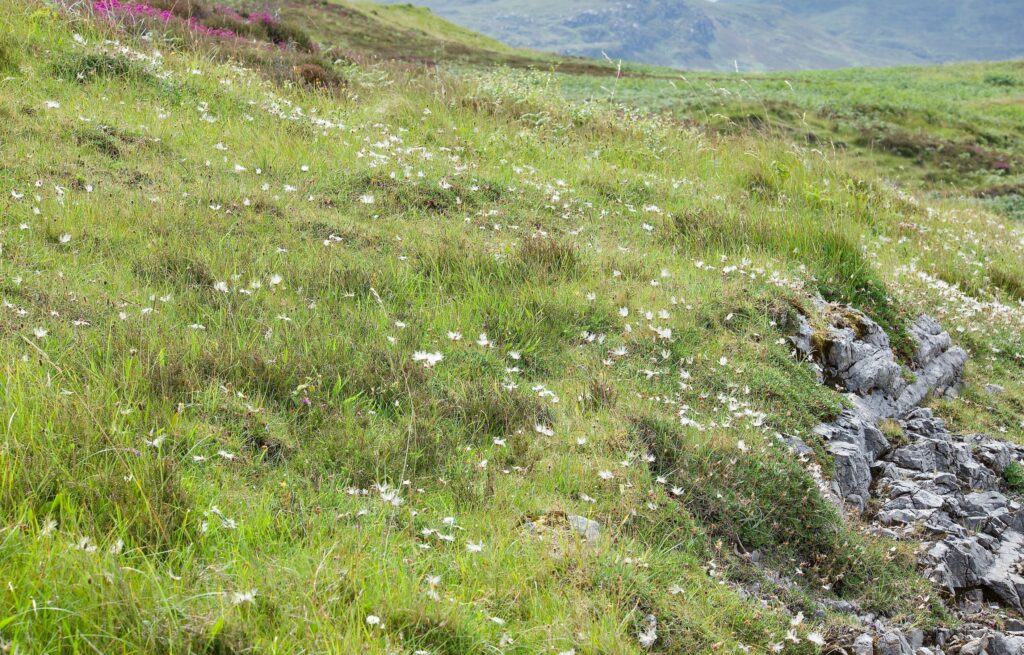
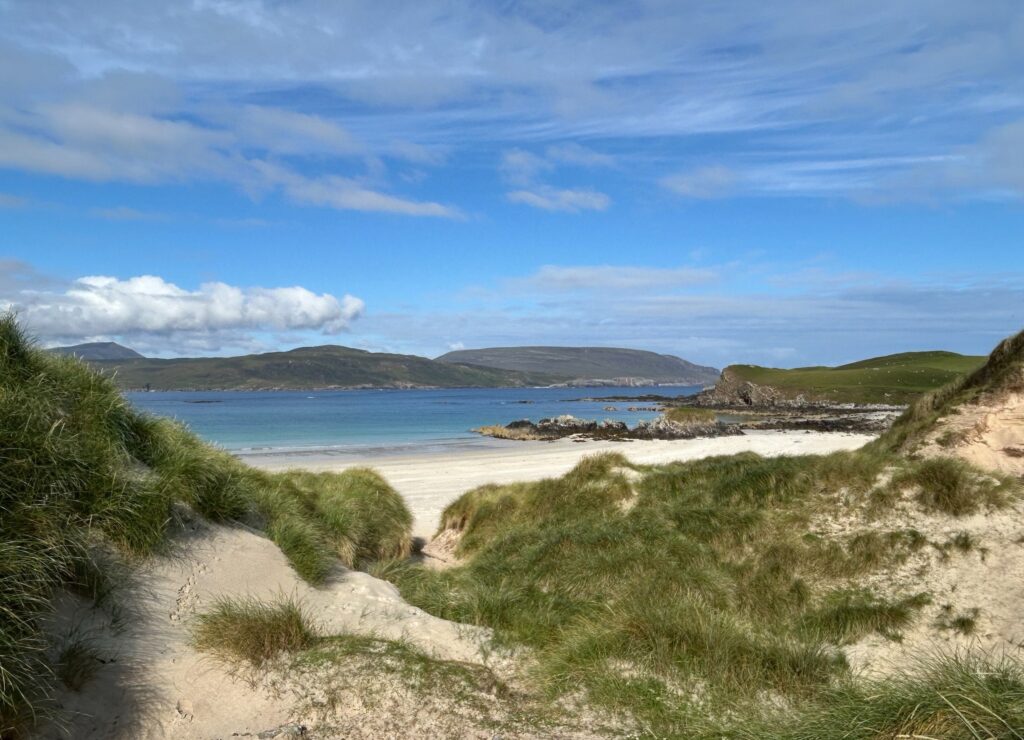
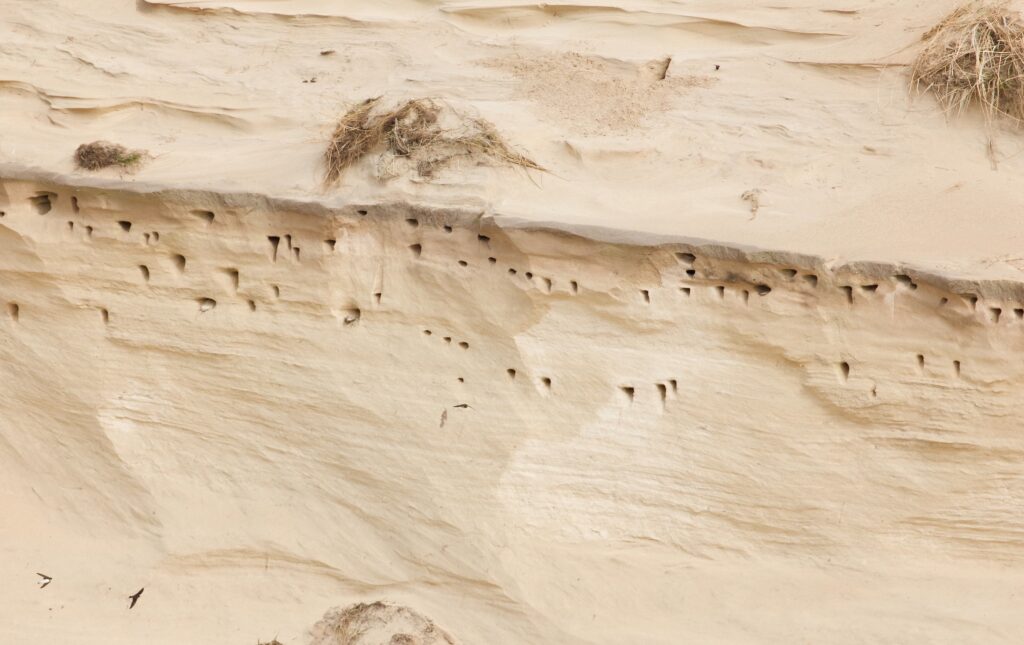
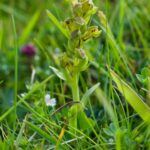
In our search for Primula scotica we spent hours walking over dunes, pastures and low coastal cliffs that plunge dramatically into the sea. In grass-covered dunes Colin discovered frog orchid (Dactylorhiza viridis) and common twayblade (Neottia ovata), their greenish spikes almost – but not quite – blending into the background, and flourishing amid a riot of other flowers such as thyme, self-heal, bird’s-foot trefoil and field gentian. Despite the rather grim weather forecast, the sun came out and lit the sea in shades of turquoise and aquamarine. A snipe was ‘drumming’ over a headland, and we watched a colony of sand martins flying back and forth from nest holes that they’d burrowed into the exposed face of a dune.
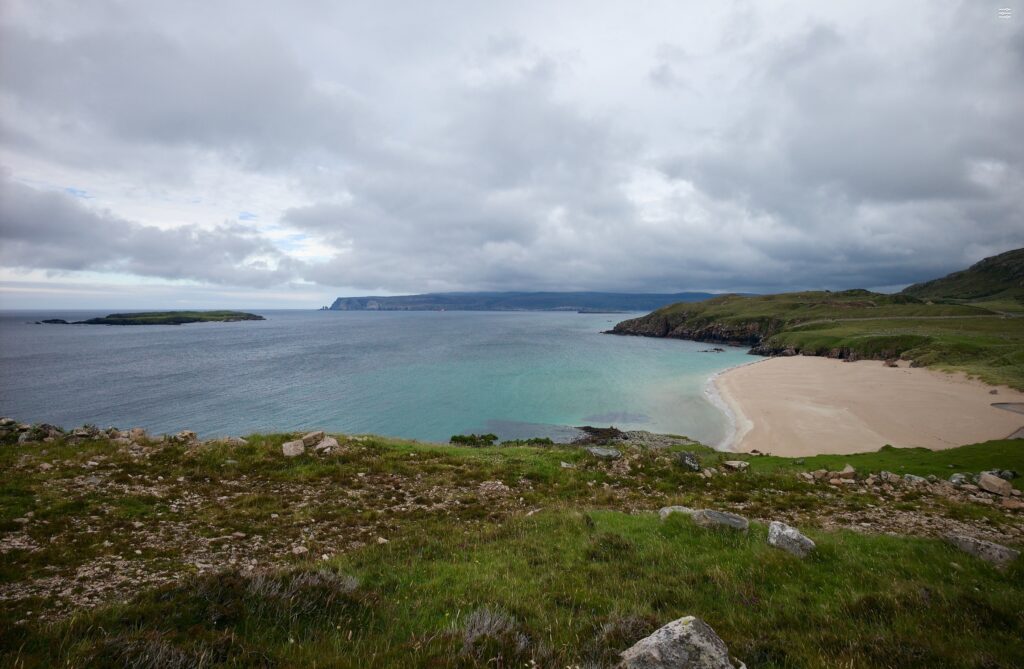
The geology of this region is impressive: wherever the bedrock was exposed, we could see dramatic bands and folds in colours ranging from deep charcoal grey to dusky pink. Lewisian gneiss, one of the oldest rocks in Britain, occurs here, and on the beaches you can pick up beautifully striped pebbles.
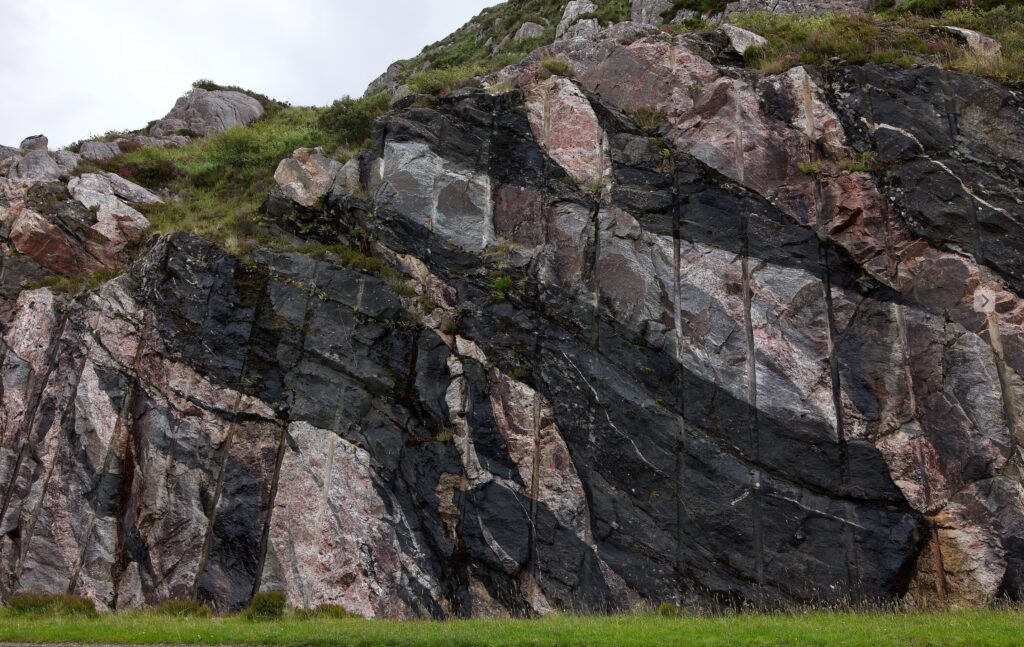
The ‘multi-coloured rock stop’ is a noted geological site near Laxford Bridge. The light grey rock is Lewisian gneiss (2,800-2,700 million years old), through which black dolerite and pinkish granite forced their way much later in geological time.
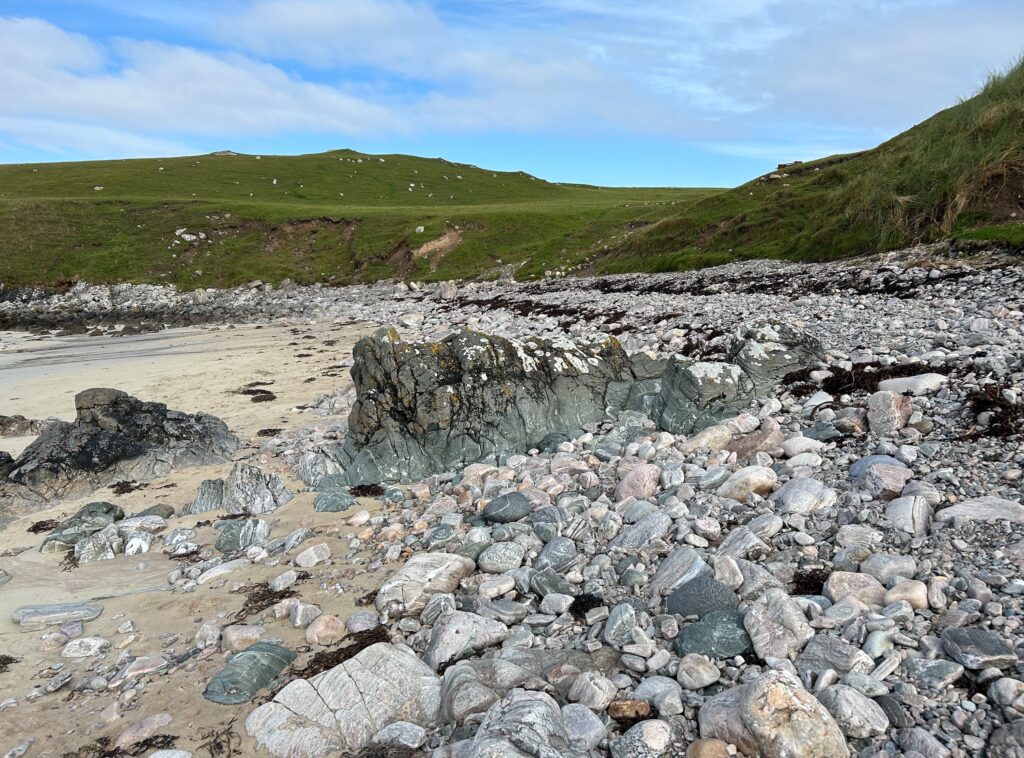
Pebbles of Lewisian gneiss
But Scottish primrose almost defeated us. It was only on the last morning, with rain not far off, that we happened upon them as if by magic. The delight of these little things! Clusters of three or four vivid magenta flowers with an inner rim of sunshine yellow, the tallest of them standing all of one and a half inches (4 cm) above a neat rosette of leaves. Exposed as they were to everything that the north coast’s weather could throw them, they looked almost too fragile to be real. Colin’s happiness was complete.
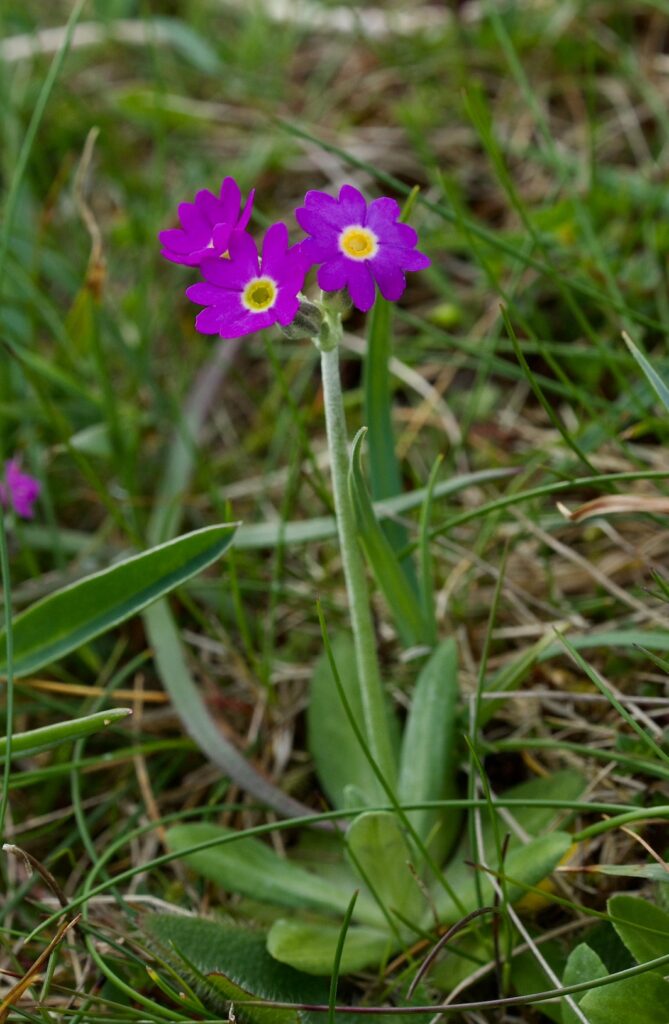
Scottish primrose (Primula scotica)
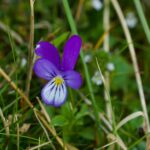
In all, we saw five species of orchid, and many other interesting plants including greater sundew and wild pansy or heartsease (Viola tricolor).
Focused as we were on our botanical pilgrimage, we had no time to visit historical sites. All the more reason to go back! We did, however, take distant photos of Caisteal Bharraich (or Castle Varrich), perched high on a headland above the Kyle of Tongue. I’ve been reading about the history of this place and the surrounding area, and it is (as you might imagine) pretty blood-soaked and battle-hungry. I don’t know if I can write a blog post with only a rain-blurred photo as evidence but I might have a go.
More information:
Creeping lady’s-tresses
Twinflower
One-flowered wintergreen
The Flow Country
Mountain avens
Scottish primrose
Photos copyright © Colin Woolf


8 Comments
Deb Vallance
Especially beautifully written and photographed. Thank you for sharing your explorations and discoveries.
Jo Woolf
Thank you, that’s very kind! We were very lucky to find all these plants. Especially, I’ll never forget the sight of the ‘frog’s reading lamp’ or those gorgeous primulas.
Dorothy Scanlan
What a lovely journey of discovery! I think I am partial to “frog’s reading lamp.” 🙂
Jo Woolf
It really was! I love that name too. I feel as if twinflower and Primula scotica deserve something just as imaginative!
Finola Finlay
Wonderful photographs! I think the twin flower and the Primrose might be my favourites. It’s so incredibly rewarding to find rare wildflowers like this
Jo Woolf
Thank you, Finola! We didn’t dare hope to find so many, and you’re right, it is really rewarding. We’ve never planned a trip like this before, and I must admit to having doubts about whether we’d see anything, especially when we were driving through that weather between Lairg and Tongue. So I do feel as if we were blessed.
craig churchill
Absolutely beautiful!!! Tell Colin I’m very jealous!!
Jo Woolf
Thank you, Craig! I’ve told him! We were very lucky indeed to find them all in flower.